
5 Ways to Keep Your Kids Healthy This School Year

5 Tips for Keeping Your Kids Learning During Summer Break

When it’s summertime, beach vacations and fun road trips become the norm. However, the summertime is a prime time for your children to experience “learning loss” and lose key academic skills. But learning doesn’t have to take a back seat to fun. Keep your children’s learning going during the summer break with these effective tips: 1. Take a Surprise Trip to the Museum Turn a trip to the museum into a lesson without having your kids catch on. Ask questions about the different artifacts as you tour the museum. You can even have your children create a board game based on what they’ve learned at the museum when they get home. 2. Encourage Entrepreneurship Help your children create a small business project over the summer and apply their reading, writing and math skills. Have them do the research and consider the creation process, costs, competition and if a market exists for what they want to offer. Just make sure the activity is simple and something they’re passionate about. 3. Mobilize Learning on the Road Help your kids learn as you discover new destinations on the road by giving them a map or geography book that includes special facts about the places you’ll pass on the road. Have them share what they’ve learned before, during and after the trip. They can also collect brochures at visitor centers or tourist destinations. Give them a camera so they can take pictures and later create a collage or scrapbook of their adventure. 4. Go Geocaching on the Beach Use a device with a GPS or location tracker, such as your mobile phone or a smartwatch, and go on a treasure hunt while on the beach. Post clues online or on index cards that help your children learn about the beach’s ecosystem. Hide containers around different parts of the beach so you’re children can enjoy a treasure hunt while learning. You can learn more about geocaching by clicking here. 5. Do Math at the Grocery Store The grocery store is the perfect place to help your children brush up on their math skills. Reinforce what your children have learned about decimals and money by having them track how much each item costs. Let them pay for items with cash to get familiar with adding and subtracting money. Final Thoughts The summer break doesn’t mean that your children have to take a break from learning something new or reinforcing what they know. You can encourage learning during the summer when you incorporate educational games and take advantage of learning opportunities whether you’re traveling on the road or having a “staycation.” Just implement these tips, and you can keep learning fun and consistent throughout the summer.
Best Sun Safety Tips For Kids

Everyone, at every age, needs sun protection. But if you have kids, it’s easy to overlook their skin care – especially in the summer. After all, those lazy beach days can get long; some days might even be overcast. Here are a few vital tips to ensure that your child’s skin is well-protected. 1. Apply Proper Sunscreen The American Academy of Dermatology (AAD) recommends using sunscreen with SPF 30 or more. If you’re at the beach, you may want to try a water-resistant brand. And remember to re-apply the sunscreen often throughout the day and do not use sunscreen on a baby younger than 6 months of age and keep him or her out of direct sunlight. 2. Time Your Beach Fun Appropriately From 10 a.m. to 4 p.m., the sun is usually at its hottest. In many countries, midday will bring extreme heat. Time your beach fun to coincide with cooler hours of the day, or at least when the sun’s rays aren’t so harsh. And even if the kids are just playing in your backyard on the trampoline, monitor their outdoor activities when the temperatures are a bit hotter. 3. Find Easy Ways to Cover Up Cover-ups such as sarongs, shawls and beach ponchos will keep your skin protected. For babies, use wide-brimmed cloth hats to shield their face and skin. Children swimming in the summer should wear wetsuits, or at least an upper-body cover-up– even when it doesn’t seem so hot. Remember, an overcast sky can be deceiving! 4. Protect Your Kids’ Eyes Too much sun can ruin the cornea of the eye. This is the outer layer that can suffer more exposure to the sun outdoors. The long-term damages include blurred vision and headaches. Find a child-friendly pair of sunglasses for your kids to wear. Nowadays, there are many retail stores selling good-quality sunglasses with UV protection for children. 5. Know How to Treat a Sunburn If your child does suffer a sunburn, natural soothers are aloe vera or coconut oil. You can purchase these in most drugstores and then keep a bottle on hand whenever you hit the beach. Also, a cool bath and cooling wet compresses can help to allay any pain. If your child develops blisters with a sunburn, that is a 2nd degree burn. At that time, you should be seen by your physician.
Protecting Your Child From the Flu

As a parent, flu season is always a challenging time of the year and so far 2018 has been no exception. There have been millions of reported cases this season, making it one of the worst in almost a decade. One of the best ways to help prevent your child from contracting the flu is to be proactive, here are some tips you can follow. Vaccines According to the CDC, everyone 6 months and older needs to get a yearly vaccine. Parents and guardians should definitely follow this recommendation, since they can easily pass along the virus. The vaccine is prepared yearly to combat the strains expected to cause the biggest problem. Sometimes the vaccines miss the mark, meaning your vaccinated child can still get the flu, but it’s still a good practice to follow. Hygiene You and your child need to frequently wash your hands with soap and water, particularly during flu season. Have them wash their hands after going out in public where the flu virus lurks. If they are around anyone who is sick, again, have them wash their hands. Remind them not to touch their eyes, nose and mouth. Your preschool child will have a particularly difficult time with this step, but you can try to minimize the behavior. You should also regularly disinfect toys as well as bathroom and kitchen surfaces to reduce the risk of spreading the virus. Isolation Don’t make your child a hermit, but do keep them away from sick people as much as possible. That means no visiting family when one of the cousins is ill. Cancel playdates if necessary and try to avoid public places where a large number of other potentially sick children may be playing. If someone in your home becomes ill, keep them separate from the rest of the family. This can be especially tricky with young siblings, but try to get creative about keeping the one that is recovering away from the ones that aren’t sick. One tip is to create an adventure for them by building a fort with the pillows and blankets in their room and let them watch a movie on a tablet or phone by themselves. Another idea is to set them up with an activity like drawing, Play-Doh or an educational game on a laptop to keep them busy. Good Health A healthy immune system protects against catching colds and the flu. Encourage your child to exercise regularly and eat a well-balanced diet. When healthy children do catch the flu, they are better able to fight off its debilitating effects. They will be less likely to end up in the hospital or have a prolonged recovery period. You should also maintain your health. You don’t want to be the one who brings the virus home to your child. While the flu is a common affliction, you should never take it for granted. Get the vaccine for all eligible members of your family. Stress good hygiene and stay away from sick people. Limit your socializing during flu season and spend quality time with your family instead. Finally, emphasize healthy practices all year long. A healthy child has a better chance at avoiding the flu.
How to Keep Your Children Healthy in 2018

Pediatric Care Centers Introduces Futuristic Telemedicine Service

Pediatric Care Centers is excited to announce the addition of telemedicine to our overnight services. We were the first pediatric office in the country to offer 24-hour access for our private patients, and now we’re pushing the envelope again by offering the “medicine of the future.” This Jetsons-type technology will allow our medical providers to thoroughly examine our patients at any time, from any place, at absolutely no additional cost to our patients. With the Kid Doc’s Connect-a-Doc Kit™, we are now able to offer real-time, HIPAA-compliant videoconferencing between providers and patients. The provider can use a video otoscope and high-definition camera to diagnose ear infections and rashes, two common pediatric ailments impossible to diagnose over the phone. The technology itself seems like something straight out of a science fiction movie, but we’ve made it available now. Essentially, a compatible otoscope device is used to take clear and precise live video of the ear. This footage is then transmitted in real time to a provider, allowing him or her to examine the ear for signs of infection or other damage. The same principle applies to rashes anywhere on the body. By seeing the symptoms in high resolution, the physician can make an accurate diagnosis and recommend treatment and medication as necessary, all without requiring patients to wait hours or even days for an in-person appointment with the same results as necessary. Dr. Norberto Benitez, Pediatric Care Centers founder, says, “With 35 years in the pediatric business, I am surprised at how much I am able to accomplish using telemedicine. I would say upwards of 70% of what we can do in an office visit we can do with telemedicine.” Pediatric Care Centers has always been an innovator in pediatrics, and we are committed to continuing this legacy by improving existing services and adding new ones to our wide array of offerings. Telemedicine will bring a level of convenience to our patients that was technologically impossible just a few years ago. This service is provided at no additional charge to our patients and is just one example of the outstanding quality and technologically advanced services we deliver.
Video: Amber Gives Us 5 Tips for Getting Your Kids Back-To-School

It’s back to school season! Here’s our very own Amber Page with 5 tips to help parents adjust their kids to their new routine.
Healthy Tips for Back to School

With summer coming to a close and kids heading back to the classroom, now is the perfect time to review some back-to-school health tips. According to a Centers for Disease Control and Prevention (CDC) report, “healthy students are better learners,” and not just in academics. They also have better behavior, attitudes and cognitive skills. Parents can give their kids a head start with these vital health tips. A Good Breakfast According to the same CDC report, students who eat breakfast have better grades, improved cognitive performance, and lower absenteeism. Many schools offer breakfast, but parents can also prepare many breakfast options, such as grains, fruits, proteins, and dairies, right at home before sending the kids off to school. Plenty of Sleep A good night’s sleep can improve a student’s ability to focus and retain information, as well as boost energy and increase problem-solving skills. The National Sleep Foundation recommends that students 14 years old or older get eight to 10 hours of sleep each night. Students between the ages of 6 and 13 should get anywhere from nine to 11 hours of sleep, and students under the age of 5 should get 10 to 13 hours. Regular Doctor Checkups Regular visits to the student’s pediatrician, dentist, and eye doctor are very important. Doctors can ensure the student is physically healthy and identify any potential health risks. Most experts recommend that students have annual checkups with their pediatrician and eye doctor and semi-annual checkups with their dentist. Updated Vaccinations We recommend all students have up-to-date vaccinations prior to attending schools. These vaccinations provide protection against dangerous diseases, such as polio and measles. The CDC also recommends that all students get an annual flu shot. Additionally, parents should encourage their kids to wash their hands regularly, sneeze into their upper arm if necessary and maintain other good hygiene practices. Communication Bullying is a problem in many primary and secondary schools across the country. It is important for parents to keep the lines of communication open with their children and encourage them to talk about any problems they are having at school. Pediatric Care Centers are open to ensure all students in the Jacksonville area have access to the services they need to start their year off healthy. Parents can schedule an appointment for an annual checkup or vaccines for their kids today.
Meet Dr. Dalvi

Gauri Dalvi was born in Mumbai, India. She moved to New Orleans for a doctorate in human genetics after completing her medical school. Dr. Dalvi also received a doctorate from Louisiana State University in 2004 and continued to do her Pediatric residency at Children’s Hospital of New Orleans. She has disaster management experience as New Orleans faced Hurricane Katrina and its aftermath. Upon finishing her residency in 2007, she joined a private practice, Kidzcare Pediatrics in North Carolina where she worked for 8 1/2 years. She was Medical Director at this facility overseeing numerous clinics statewide and also mentoring medical students, residents, physician assistants and nurse practitioners. Dr. Dalvi is Board Certified and completed a year of Physician Leadership College at North Carolina Medical Society in 2015. She served on various boards helping manage Medicaid population. Dr. Dalvi moved to Jacksonville with her husband who works with Baptist Health and two children in 2016. She has been with Pediatrics since January 2017. The Dalvi family loves to travel and experience different cultures during their free time.
Rainy Day Activities
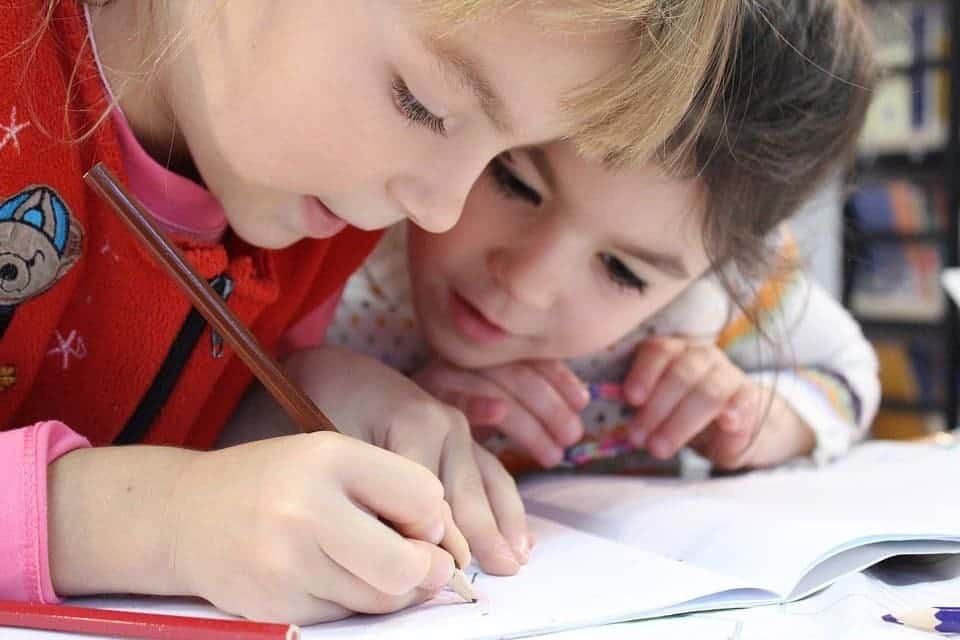
Let’s face it, rainy days can be hard to get through with kids in the house. Kids have all that energy, and when it rains they can’t just run around in the yard to expend it. But entertaining kids at home doesn’t have to be a chore. Here are some activities that parents can do with their kids indoors to keep them occupied until the sun comes out again. 1. Make Homemade Play Dough Fortunately, parents can whip up a batch of play dough from ingredients they already have in the kitchen. Plus, there’s no limit to the amount of fun kids can have making shapes, figures and other things out of the dough. To make play dough, simply combine one cup water, one tablespoon vegetable oil, one half cup of salt, and one teaspoon of cream of tartar in a saucepan. Remove from heat and add one cup of flour. Knead until the dough is smooth. Spread out some newspaper on the kitchen table, and let the kids get to work. 2. Create a Favorite Recipe Book Kids love to cook with parents, especially when the parent is making the kid’s favorite recipe. Parents can give kids a sense of ownership by helping them create a recipe book featuring a few of their favorite recipes. All that parents will need are some pieces of construction paper, folded and stapled at the crease, and some colorful pens. First, have the child choose a few favorite recipes. Write the recipes on the folded and stapled pages; then, let the child decorate the front of the book and the recipes with their own illustrations. When parents go to make their favorite recipe, their kids can follow along from their own recipe book. 3. Create and Perform Dance Routines Being cooped up inside can make kids cranky if they aren’t able to get exercise. A great way to get exercise in a small area is to create a dance routine so kids can exercise in place. On a rainy day, parents can let kids design their own dance routine, practice it, and then stage a performance afterward. Kids can even use old scarves or cloth for dance props. By keeping a short list of activities for a rainy day, you don’t have to dread hearing those droplets begin to fall. Try the above activities with kids on a rainy day, and your kids will be happy and engaged until the sun shines!